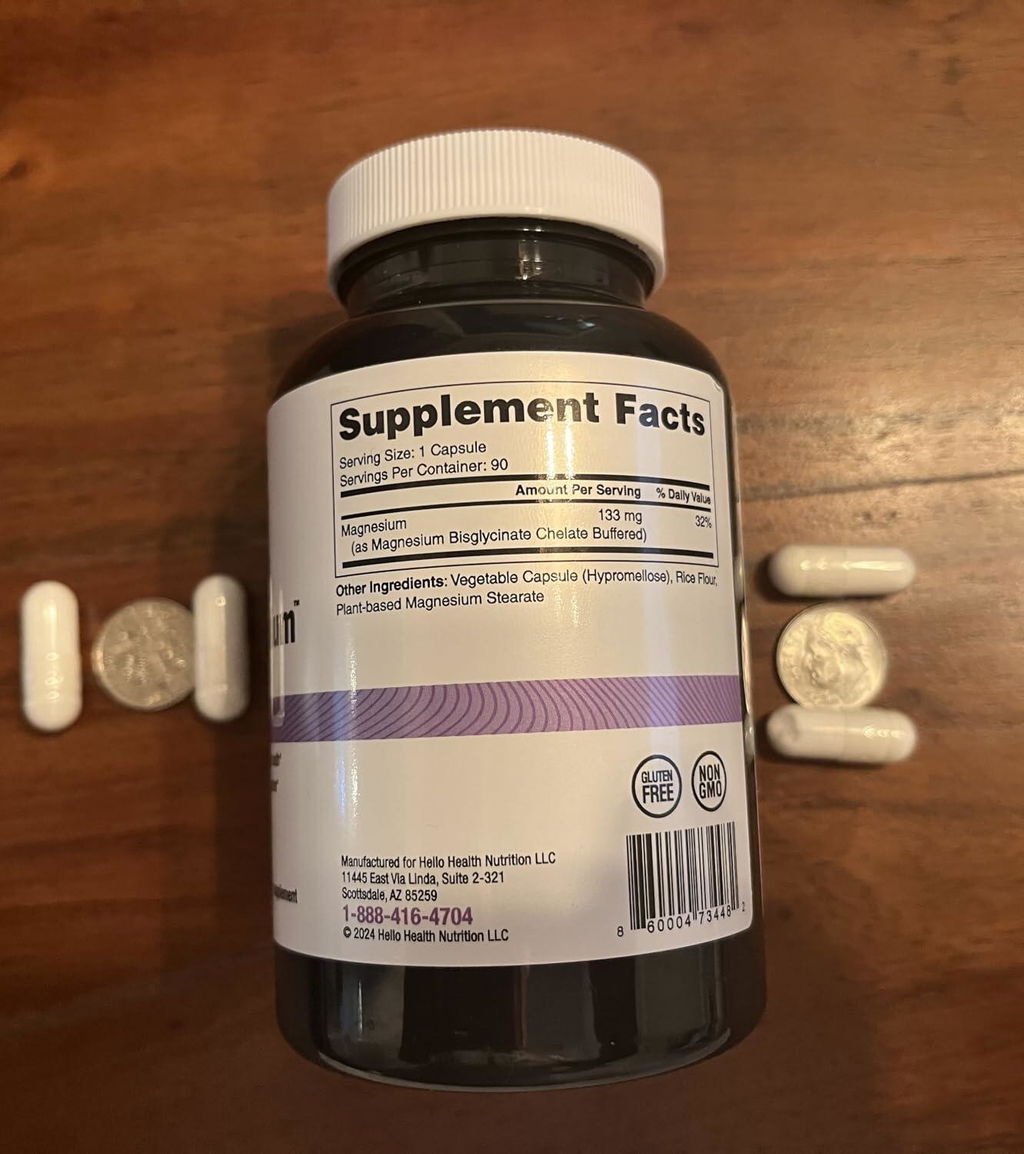
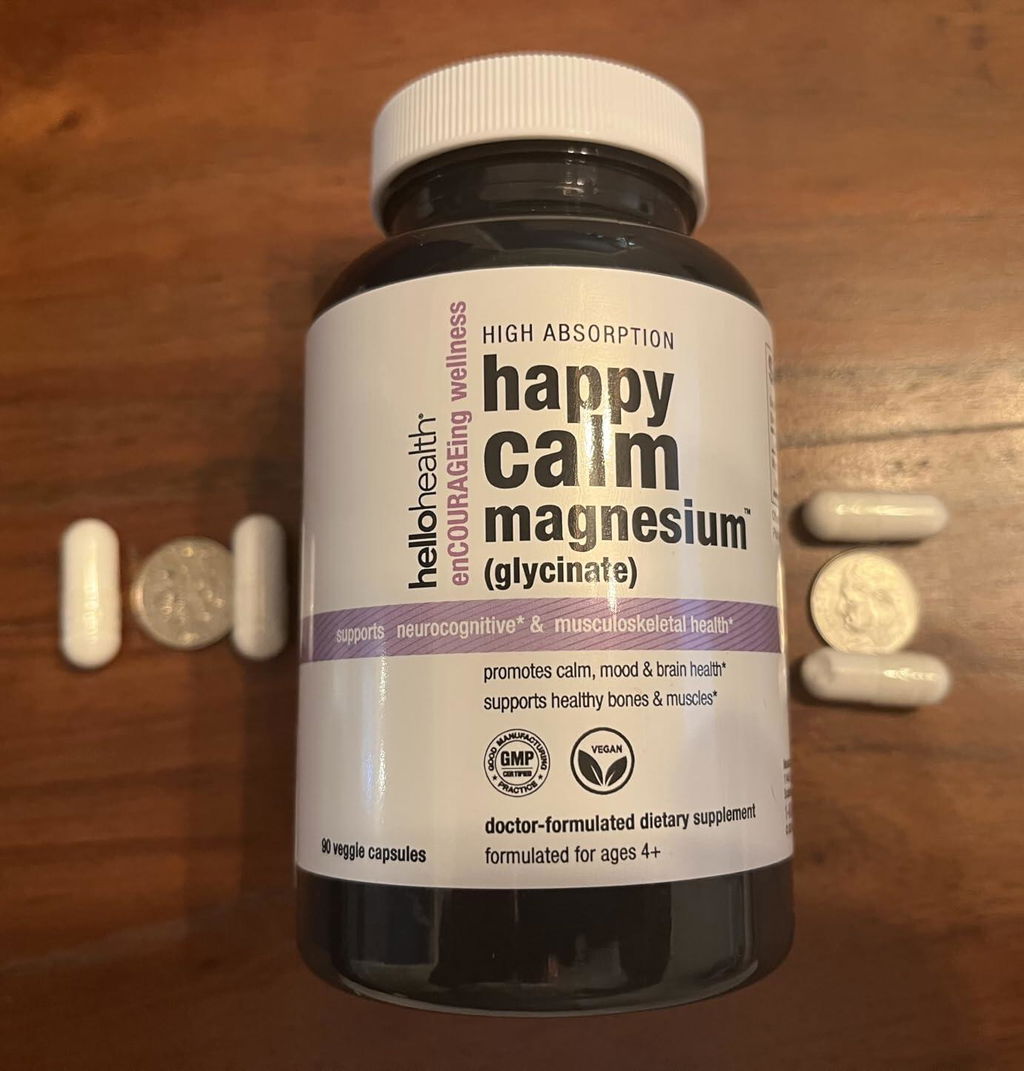
We all need to become educated on the differences between the many forms in which magnesium can be taken. Here is a brief rundown on the most common forms and what they are used for:Magnesium oxide: Usually used as a laxative or for relief from heartburn. It is poorly absorbed and inexpensive but not very useful for those with a magnesium deficiency. There is some evidence of usefulness for migraine headache. May cause diarrhea.Magnesium hydroxide: Commonly found in Milk of Magnesia. It attracts water in the intestines, which makes the bowels move.Magnesium citrate: Greater bioavailability, also used for constipation and heartburn, but the effect is milder than Magnesium oxide or hydroxine.Magnesium chloride: Excellent bioavailability, this form is used to correct a magnesium deficiency without the intestinal side effects.Magnesium lactate: Easily absorbed and used as a supplement for magnesium deficiency,. It is often given in slow-release form. Food that is "fortified: is usually preserved and flavored with magnesium lactate. Can cause diarrhea, bloating or gas at higher dosages.Magnesium glycinate: Easily absorbed and has no laxative effects, so this form is highly favored. It has a relaxing effect and may prevent insomnia.Magnesium sulfate: Epsom salts! It does have a laxative effect, but is primarily used as a soak in warm water for sore feet and muscle pain.Magnesium malate: This form occurs naturally in fruit. It is easily absorbed, with less of a laxative effect. Usually less expensive than magnesium glycinate.Magnesium l-threonate: Great bioavailability and notable for increasing the concentration of magnesium within the brain. It is promoted to aid in memory retention and depression. Some animal research has indicated usefulness in preventing the advance of dementia, though more research is needed.In general, the bioavailability and side effects (usually digestive) determine the cost of each of these forms of magnesium. The lower the bioavailability and higher the laxative effect, the lower the cost - for obvious reasons.This company's Magnesium Glycinate is non-GMO, made in the U.S., and rings all the bells and whistles of a good product. While this is not the only company advertising their product in this way, I dislike the "per serving" method of indicating the strength of the supplement. I think it is confusing and, at best, misleading; the customer shouldn't have to do a calculation in order to see how long the supplement will last. I would like to see a return to indicating the daily dose and the strength of each capsule. In this case, a "serving" of three capsules a day comes out at a one month supply, which is expensive compared to other reputable companies making the same product, so I removed one star for the cost.